Why Motion Graphics Design Is Essential for Brand Storytelling
Motion Matters
Static is fine. Motion is memorable. Here's why motion graphics design and 3D product animation belong in your brand storytelling, plus examples to steal.
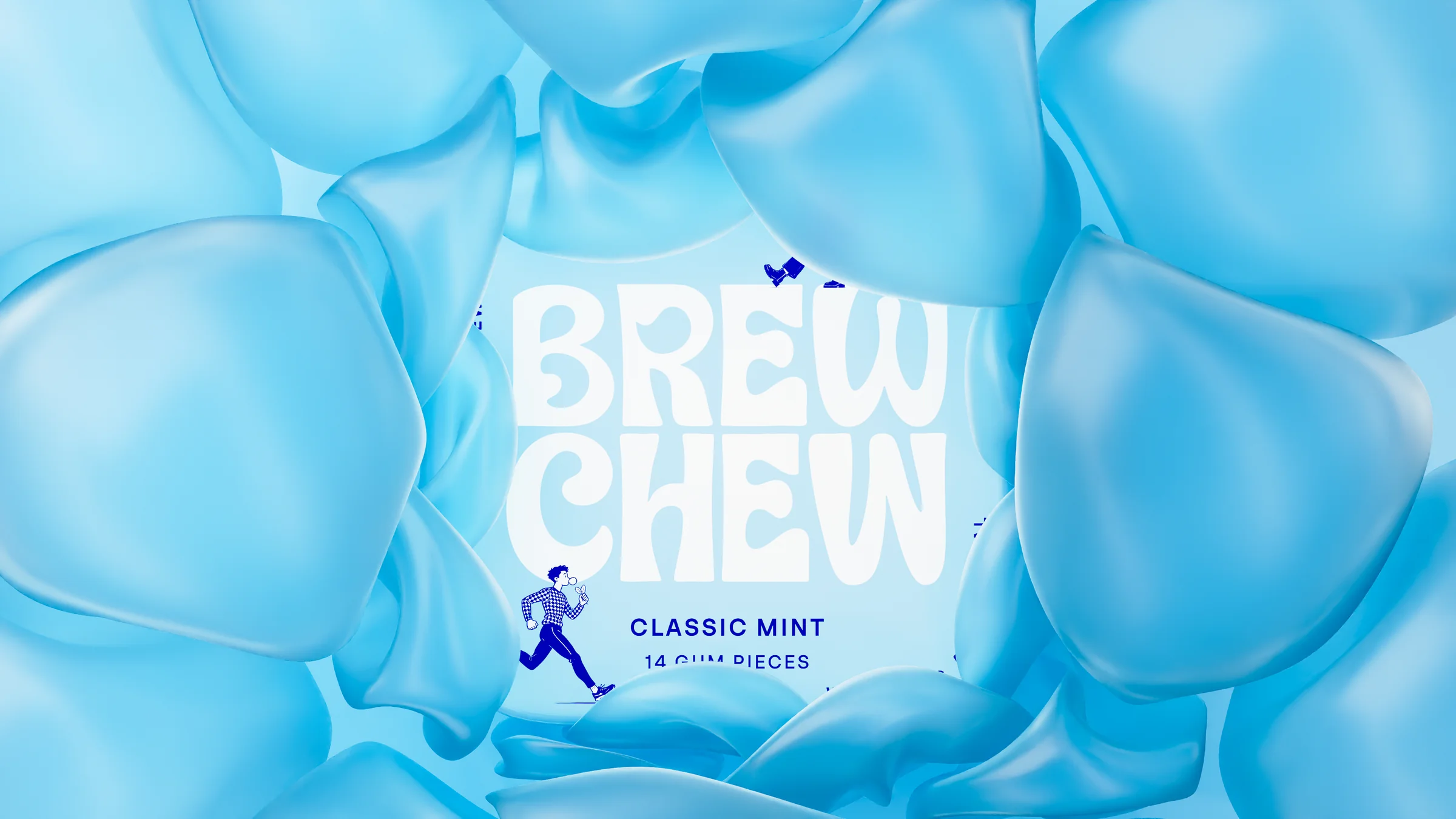
Brew Chew CGI by JanesHaus
Published
July 14, 2026
Read time
11 minutes
Progress
11 minutes
Key takeaways
- Think of them as graphic design that moves.
- Your marketing team gets a whole library from a single build.
- Each one is a mini brand storytelling video.
Static is fine. Motion is memorable. In a feed full of still photos, the thing that moves wins, and that's why motion graphics design has become one of the most powerful brand storytelling tools a CPG brand can have.
At JanesHaus, motion is a big part of what we make, especially 3D product animation. Your product and packaging are modeled in 3D, then we build, light and render the scene around them, so your brand story can play out in ways a camera can't capture. A can splitting open into fruit. A pouch dropping onto a perfect pile of ingredients. A logo snapping into place at the end of an ad.
Here's what motion graphics are, why they work so well for brands and how to use them without overdoing it.
What Are Motion Graphics Used For?
Motion graphics are animated visuals that combine type, shapes, images and 3D elements to tell a story. Think of them as graphic design that moves. Add 3D product animation and your actual product becomes the star of the show.
For product brands, animation and motion graphics show up in a lot of places:
- CGI ads that grab people mid-scroll.
- Product page animations and 360 spins that show every angle.
- Launch content for new flavors and SKUs, often before samples exist.
- Animated logos that make your brand instantly recognizable.
- Booth screens that pull people over at trade shows and expos.
The point is the same everywhere: make information more engaging and your brand more memorable.
Motion Graphics vs. 3D Animation
Quick distinction, since the terms get mixed up. Motion graphics usually means animated type, shapes and flat graphics. 3D animation means building your product and scene in three dimensions, then animating the camera, the product and everything around it. A lot of the best brand storytelling uses both: a 3D product shot with motion graphics for the claims, flavor names and logo.
Motion Graphics Design Basics
Good motion graphics design follows the same rules as good graphic design: clear hierarchy, strong type, limited color and plenty of breathing room. Motion just adds timing. What appears first, what moves fastest and where the eye lands at the end all shape the story.
Think of them as graphic design that moves.
Why Is Motion Graphics Important for Brands?
Because attention is the hardest thing to get and the easiest thing to lose. Motion graphics animation explains things faster than text, shows a product better than a still and gives your brand a recognizable rhythm. A product that moves the same way in every ad starts to feel familiar, and familiar is what people buy.
Types of Motion Graphics Animation
- 2D motion graphics: animated type, icons, shapes and illustration. Great for claims, how-tos and logo stings.
- 3D motion graphics animation: your product and scene built in three dimensions, with full control of the camera and lighting.
- Mixed: a 3D product hero with 2D type and graphics layered on top, which is what most CPG ads use.
Who Uses Motion Graphics?
Pretty much anyone who sells something on a screen. For CPG brands, that's founders launching a first product, established brands rolling out a new flavor and marketing teams who need a steady stream of fresh product content. If your product lives on a phone screen before it lives in someone's pantry, motion is worth a look.
Why Motion Graphics Work for Brand Storytelling
They Stop the Scroll
Movement naturally pulls the eye. A short, snappy animation is often exactly what stops someone long enough to notice your brand.
They Make the Product the Hero
3D product animation lets you show what a photo can't: what's inside, how it's made, how it pours, crunches or fizzes. That's storytelling with your actual product, not a stock clip.
They Keep Your Brand Consistent
Because every color, reflection and label detail is built from your brand guidelines, motion keeps your look perfectly on-brand across every format. An animated logo done right becomes part of your identity.
They Work Everywhere
One 3D scene can become a social loop, a website hero, a product page spin and an ad cut, each sized for its platform. Your marketing team gets a whole library from a single build.
They Make Launches Feel Bigger
A new flavor announced with a static post is news. The same flavor bursting out of the can in a slick 3D animation is an event. Motion gives launches energy, and it gives your marketing team something exciting to lead with.
Your marketing team gets a whole library from a single build.
They Save Reshoots
New flavor? Updated label? With CGI, we update the model and re-render instead of booking a whole new shoot. That makes motion a smart long-term investment, not a one-off.
They Explain What Words Can't
Some product benefits are hard to say in a headline. How a gum whitens, how a bar gets its crunch, how a drink is layered. A few seconds of animation can show it instead: ingredients flying into place, a cutaway of the product or a simple diagram that moves. Show, don't tell works especially well when your shopper is scrolling with their thumb.
They Build Recognition Over Time
Use the same logo sting, the same transitions and the same product moves across your content, and people start recognizing your brand before they see the name. It's like a jingle, but for the eyes.
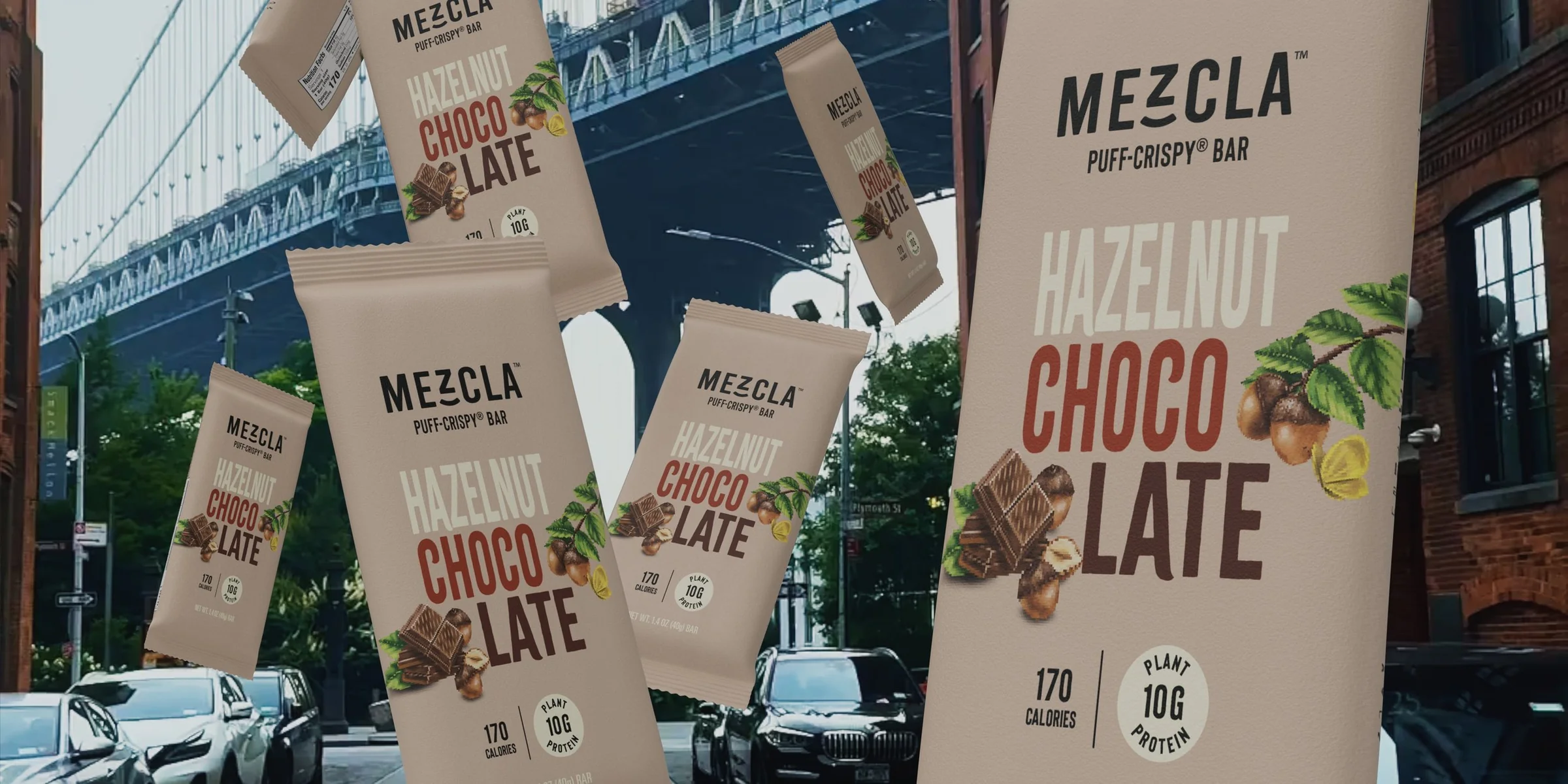
Mezcla CGI by JanesHaus
Motion Graphics Examples Worth Stealing From
Not sure where motion fits for your brand? Here are a few motion graphics examples that work especially well for CPG:
- Animated logo reveals: a quick sting at the start or end of every video.
- Ingredient bursts: your can, bottle or box bursting into the ingredients that make it special.
- Flavor lineups: every SKU dropping into place, perfect for launches and retailer pitches.
- Social loops: short, seamless animations made for Reels and TikTok that reward people who watch twice.
- 360 product spins: every angle of the pack for your product pages.
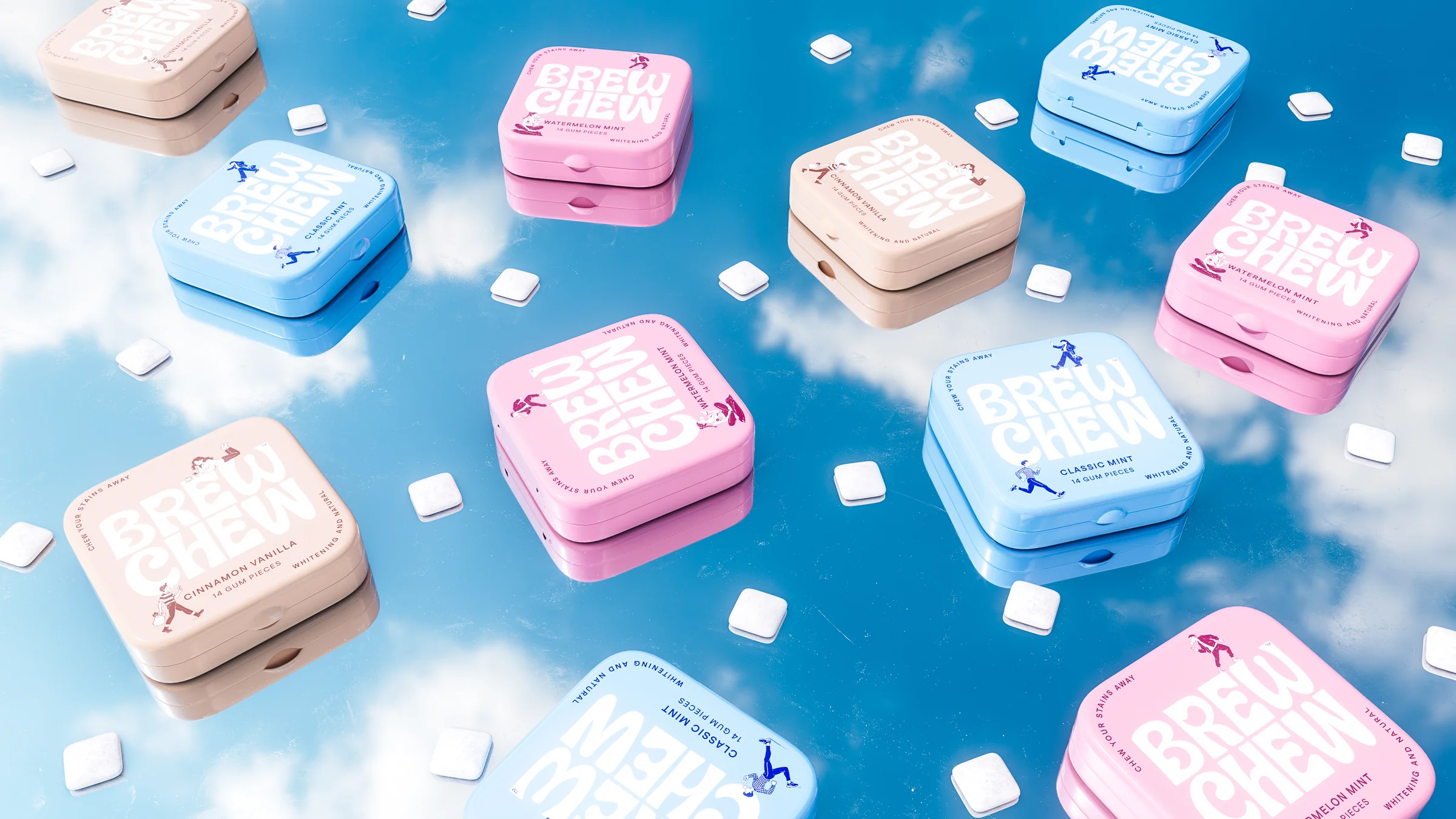
Each one is a mini brand storytelling video. Take a look at Brew Chew for a peek at how we bring a product to life in 3D.
More Ideas for CPG Brand Storytelling
- Origin stories: the farm, the recipe or the founder moment, told in a few animated beats.
- How it's made: a stylized look at the process without a factory shoot.
- Usage moments: a scoop into a smoothie or a pour over ice, rendered perfectly.
- Seasonal refreshes: the same product dressed for holidays or summer with a quick re-render.
Motion Graphics Animation Examples From Our Work
A couple of live projects worth a look:
- Mezcla: a CGI campaign for a plant-based protein bar brand, with bold, surreal 3D scenes that take their cues from the packaging.
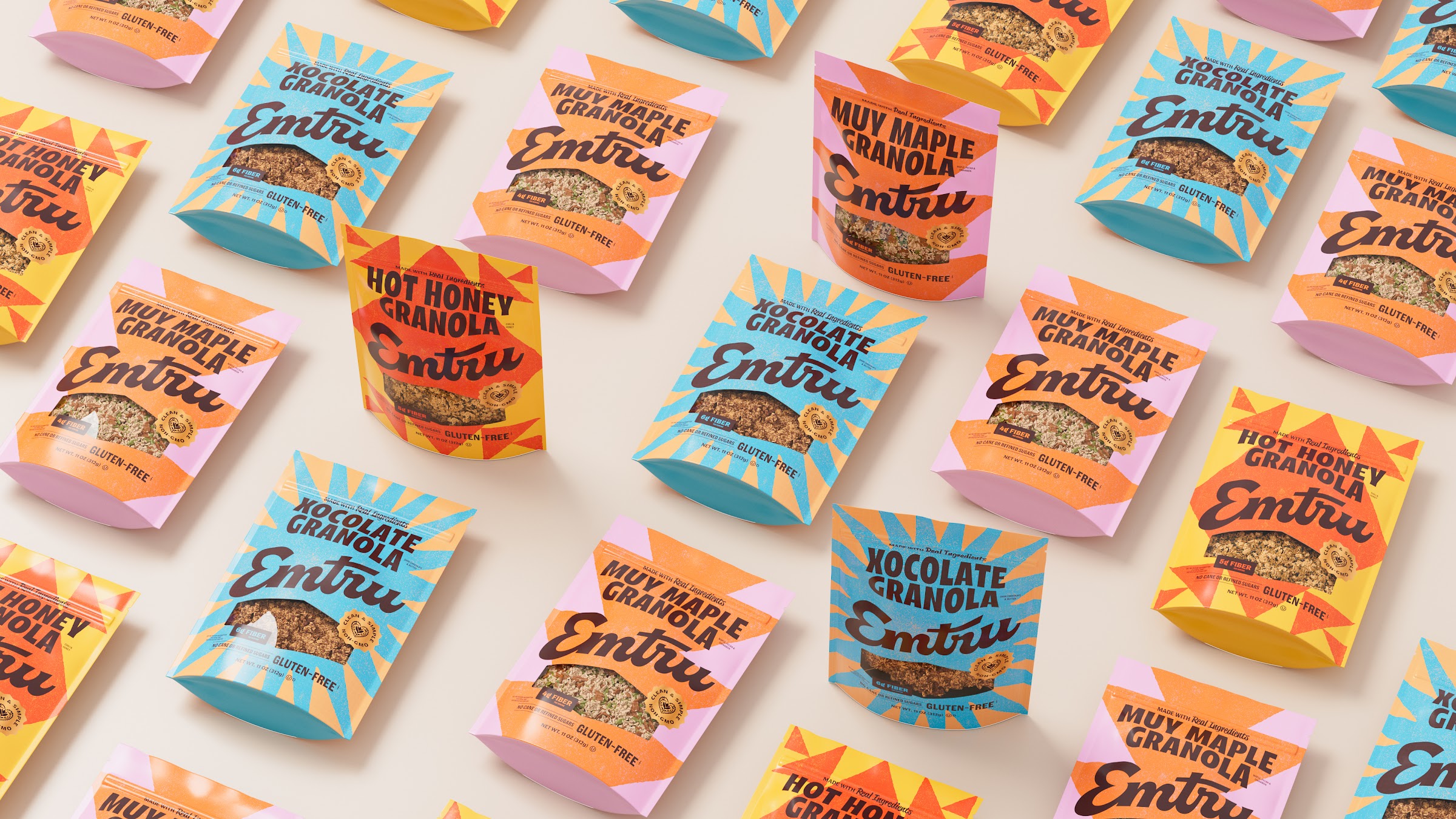
- Emtru: 3D images that give each granola flavor its own personality on their Shopify site.
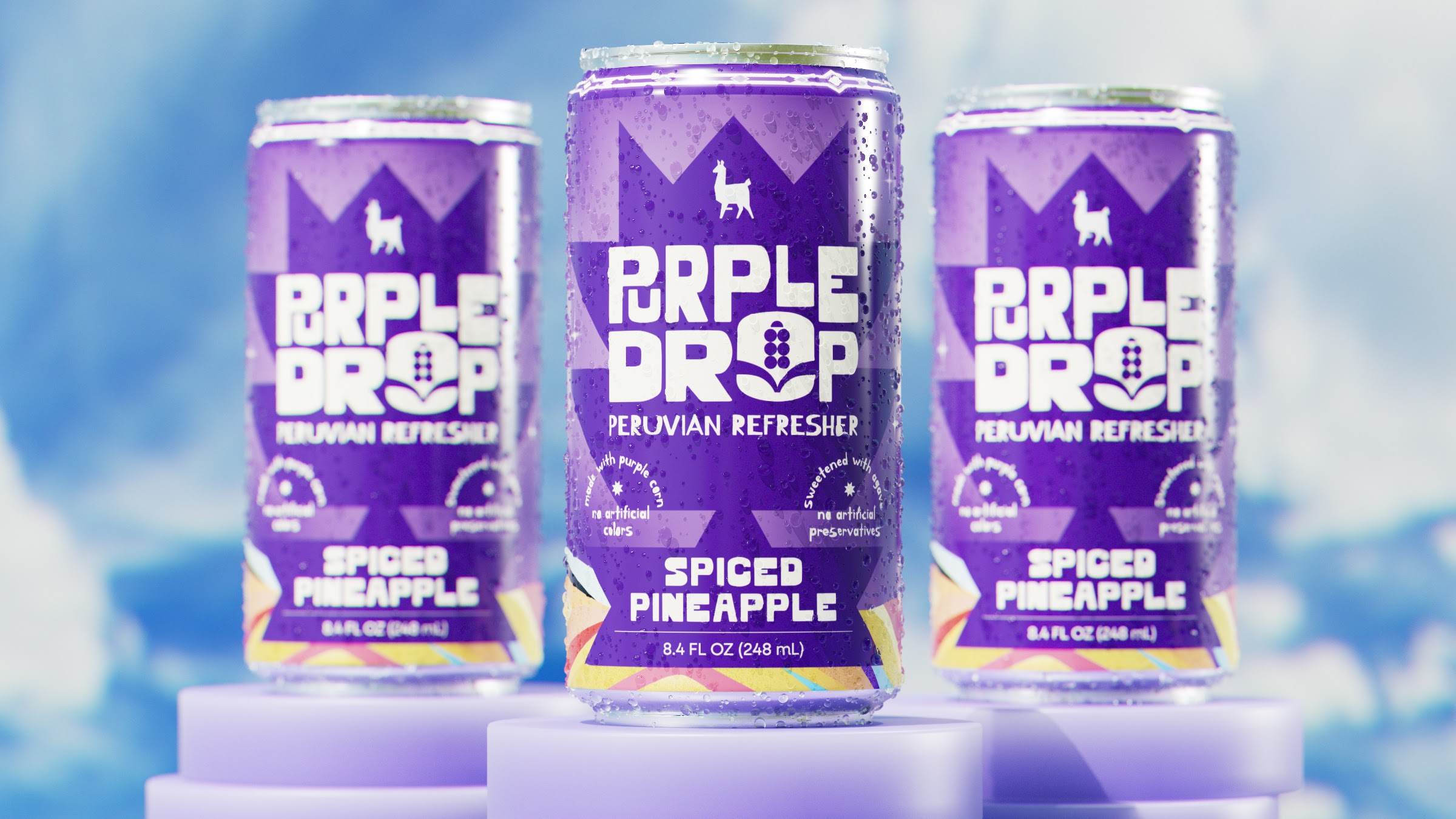
- The Purple Drop: 3D product renders of the can, made as part of a full brand launch.
Notice the pattern: the product is always the hero, and the brand is always recognizable.
When to Use 3D Product Animation vs. Motion Graphics
If the goal is showing off the product itself (its shape, its texture, what's inside), go 3D. If the goal is explaining something (claims, steps, comparisons), motion graphics are often faster and clearer. For launches and hero ads, you usually want both.
Brew Chew 3D product render by JanesHaus
Best Practices for Motion Graphics Design
Start With the Brand
Your motion should feel like your brand: same colors, same type, same personality. Playful brands can bounce. Premium brands should glide. We always start from your brand guidelines, then design motion that fits right in.
Tell One Story
Motion is about storytelling, not showing off. Before anything gets animated, we ask, "What should someone feel or do after watching this?" Then every frame works toward that.
Keep It Simple
A simple, well-crafted animation beats a cluttered one every time. One clear idea, beautifully executed, is what people remember.
Match the Motion to the Moment
A launch teaser can be big and dramatic. A product page spin should be calm and easy to follow. An always-on ad should get to the point fast. Same brand, same product, different energy depending on where someone meets it.
Plan for Sound Off
Most people watch with the sound off. Your story should land with zero audio: clear visuals, readable type and a product that's on screen early. Sound is a bonus, not the message.
Design for the Platform
Vertical for Reels and TikTok, wider for your website, short for ads and a little longer where people have time to watch. Planning formats up front means the scene gets built once and used everywhere.
How Our 3D Animation Process Works
- Brief: what the animation is for, where it'll run and how long it needs to be.
- Storyboard: a simple frame-by-frame plan so everyone agrees on the story before anything is built.
- Modeling: your product and packaging are modeled in 3D from your dielines and artwork.
- Look and lighting: materials, labels and lighting matched to your real product and brand guidelines.
- Animation: camera moves, product action and any motion graphics for type and logo.
- Render and deliver: final files in every size your marketing team needs.
What to Prepare Before a Motion Project
The more you have ready, the faster things move. Pull together your brand guidelines, final packaging artwork and dielines, any samples or reference photos, the claims you want to feature and a list of where the animation will run. If you don't have brand guidelines yet, that's where we'd start.
Common Motion Graphics Mistakes
- Too long. Most ads need to land their point in the first few seconds. Get to the product fast.
- Too much text. If people have to pause to read it, it's too much.
- Off-brand movement. A calm skincare brand shouldn't zip around like an energy drink.
- One format only. A horizontal video squeezed into a vertical feed looks like an afterthought.
Motion Graphics Ads That Work Hard
Motion graphics ads perform best when they're built as a system, not one-offs. Make one strong 3D scene, then cut it into short ads, loops and stills. Your marketing team can test versions without starting from scratch, and the brand stays consistent no matter which cut wins.
Ready to bring your brand's story to life? JanesHaus is a Los Angeles branding agency for CPG brands, and 3D product rendering and animation are some of our favorite things to make. Head over to our contact page and let's get your product moving.
That was the short version.
Nothing to see here. Unless you want to see how deep the rabbit hole goes.
ok, red pill meabout the author
Jane Miller is the founder of JanesHaus, an LA-based creative agency where good design meets good business and bad ideas don't get a participation trophy. A former engineer with an artist's eye, she spent a decade in tech building things, breaking things, and challenging the status quo. Now she does the same for CPG brands, with better packaging and considerably less red tape. Left brain, right brain. Zero corporate BS.
Jane Miller

Founder, JanesHaus



keep reading

Motion Graphics Design FAQ
What is motion graphics design?
Motion graphics design is graphic design that moves: type, shapes, logos and products animated to tell a story. It shows up in ads, product pages, launch content and trade show screens. For CPG brands, it's one of the fastest ways to make a product feel alive.
What are motion graphics used for?
Brands use motion graphics for ads, social content, product page animations, animated logos and booth screens at trade shows. Anywhere a static image would get scrolled past, motion gives you a better shot at attention.
Are motion graphics and animation the same?
Not quite. Motion graphics usually animate design elements like type, logos and shapes, while animation is the broader term that includes characters and full scenes. 3D product animation sits between the two, with your real product as the star.
How is 3D product animation made?
3D product animation shows your product in motion using a digital model built from your real packaging. We model the product in 3D, then build, light and render each scene, so the label, color and finish look right from every angle. Learn more about our 3D modeling.
Is 3D animation the same as CGI?
No. CGI places your 3D product into real filmed footage, so it looks like it's really there. But 3D animation builds the whole scene in 3D, background and all, so you're not bound by the physics of the real world. Both start from a 3D model of your product, so one model can be used for both.
Will AI replace motion graphics?
Not entirely. AI tools are great for speed and fresh ideas, but keeping a label, logo and colors accurate shot after shot still starts with a 3D model of the real product. The best work uses both, so every scene stays on-brand.
Why are motion graphics important for brand storytelling?
Motion holds attention longer and explains more in less time than a still image. It lets you show the product, the ingredients and the mood in a few seconds. And once your 3D model exists, you can keep making new content without a reshoot.